

Share
Related Products
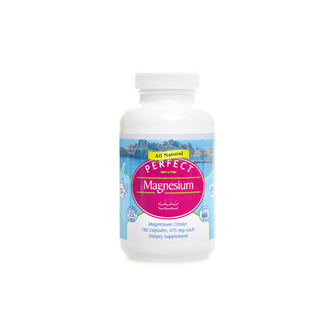

Perfect Magnesium Citrate Capsules
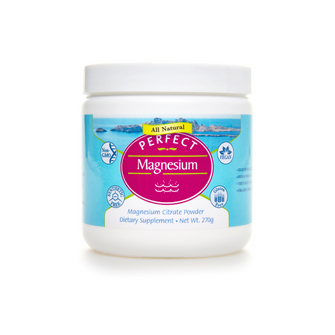

Perfect Magnesium Citrate Powder 270g
What Every Busy Woman Should Know
The alarm goes off.
Before your feet even touch the floor, your mind is already racing.
What's for dinner tonight?
Did I reply to that email?
Mum has an appointment this afternoon.
I still need to order that birthday present.
Will I have time to exercise today?
By the time you've poured your first cup of coffee, you've already carried half the day's mental load.
For many women, this constant juggling act has simply become normal.
We're raising families, building careers, supporting ageing parents, running businesses, caring for partners, remembering everyone's birthdays, organising appointments, answering emails and somehow trying to look after our own health somewhere in between.
Then, for many women, midlife arrives.
Perimenopause and menopause often bring their own changes. Sleep may become less predictable. Energy can fluctuate. You might notice you're not bouncing back from stressful days as easily as you once did.
It's little wonder so many women describe feeling exhausted before the day has really begun.
If this sounds familiar, you're certainly not alone.
Modern life places enormous demands on women, and while we can't always control the stress in our lives, we can support our bodies in the best way possible.
That's where magnesium enters the conversation.
Not because it's a miracle cure.
Not because it's going to magically eliminate stress.
But because it's one of the many essential nutrients your body depends on every single day—and one that often doesn't receive the attention it deserves.
Why Magnesium Deserves More Attention
Every heartbeat.
Every muscle contraction.
Every nerve signal.
Every deep breath.
Your body relies on magnesium thousands of times each day, usually without you ever giving it a second thought.
In fact, magnesium is involved in more than 300 enzymatic reactions throughout the body. It's an essential mineral that contributes to many normal bodily functions, including:
- Normal functioning of the nervous system
- Normal psychological function
- Normal muscle function
- Normal energy-yielding metabolism
- Electrolyte balance
- The reduction of tiredness and fatigue
- Maintenance of normal bones and teeth
- Protein synthesis
- Cell division
In other words, magnesium works quietly behind the scenes, helping your body perform countless everyday functions that keep you feeling and functioning at your best.
It's not a trendy superfood or the latest wellness craze.
It's simply one of the essential nutrients your body has always needed.
What Does Stress Have to Do with Magnesium?
Stress is part of life.
In fact, short-term stress can be helpful. It prepares us to respond to challenges, keeps us alert and helps us adapt when life throws us something unexpected.
The problem isn't stress itself.
The problem is when stress becomes our normal.
When we're constantly rushing from one responsibility to the next.
When we're eating meals on the run.
When sleep becomes interrupted night after night.
When we never quite feel like we've had the chance to recharge.
Researchers have been exploring the relationship between stress and magnesium for decades. While it's a complex area that continues to be studied, magnesium is well recognised for contributing to the normal functioning of the nervous system and normal psychological function.
It's important to remember that there's no single reason we feel overwhelmed. Sleep, nutrition, physical activity, hormones, work pressures, relationships and our overall health all play a role.
Rather than thinking of magnesium as a quick fix, it's more helpful to see it as one piece of the much bigger wellbeing picture.
The Midlife Years Can Bring New Challenges
For many women, the years leading up to menopause can feel like a perfect storm.
At a time when life is often at its busiest, our bodies are also changing.
You may be balancing work while supporting teenagers or adult children. Perhaps you're helping ageing parents, managing a household, navigating relationship changes or caring for grandchildren. Many women are also running businesses or stepping into new chapters of life just as hormonal changes begin.
It's a lot.
And while everyone's experience is different, many women describe feeling stretched in ways they never expected.
Although magnesium isn't a treatment for perimenopause or menopause, maintaining adequate magnesium intake remains important throughout every stage of life. Magnesium contributes to normal nervous system function, psychological function, muscle function and normal energy metabolism—all of which continue to matter as we get older.
Perhaps one of the biggest lessons many women learn during midlife is this:
Looking after yourself isn't selfish.
It's necessary.
The Foundations Still Matter Most
At Perfect Supplements Australia, we've always believed that supplements should never replace the foundations of good health.
Nourishing food.
Quality sleep.
Regular movement.
Time outdoors.
Meaningful relationships.
Managing stress where possible.
These habits will always form the foundation of long-term wellbeing.
But life isn't lived under perfect conditions.
There are seasons when work becomes overwhelming. When you're caring for other people. When sleep is interrupted. When stress lingers longer than you'd like. When preparing balanced meals every day feels more aspirational than realistic.
That's simply being human.
Supporting your health isn't about perfection.
It's about making small, sustainable choices that help you care for your body, even during life's busiest seasons.
And sometimes, that includes taking a closer look at whether you're getting enough of the essential nutrients your body relies on every day.
Whole Foods Come First… But They're Not Always the Whole Story
Supporting your health always begins with the basics.
Eating a balanced diet rich in whole foods—including leafy green vegetables, nuts, seeds, legumes and whole grains—is one of the best ways to obtain magnesium naturally. Drinking enough water, moving your body regularly, prioritising quality sleep and finding healthy ways to manage stress all play an important role in your overall wellbeing.
These foundations matter.
But even when you're doing your best to eat well, it's not always guaranteed that you're getting enough magnesium.
The amount of magnesium in our food can vary depending on factors such as soil quality, farming practices, food processing and storage. On top of this, every person is different. Certain medications, digestive conditions, ageing, intense physical activity and periods of prolonged stress may all influence magnesium status or increase the body's demand for this essential mineral.
That's why many people choose to complement a healthy diet with a magnesium supplement.
At Perfect Supplements Australia, we don't see it as a choice between whole foods or supplements—we believe they work best together. Whole foods provide the foundation of good health, while carefully chosen, high-quality supplements can help support your nutritional intake when life places greater demands on your body.
After all, health isn't about being perfect.
It's about consistently making choices that help your body function at its best.
Why Magnesium Citrate?
If you've ever looked for a magnesium supplement, you've probably noticed there are many different forms available.
Magnesium citrate.
Magnesium glycinate.
Magnesium oxide.
Magnesium malate.
Magnesium threonate.
It can feel a little overwhelming.
Each form of magnesium has different characteristics and may be chosen for different reasons.
Magnesium citrate is one of the most commonly used forms because it is highly soluble and generally well absorbed by the body. It's a popular choice for people looking to support their daily magnesium intake and is also well known for supporting bowel regularity in some individuals, as the citrate component can help draw water into the bowel.
Like any dietary supplement, magnesium isn't a substitute for a balanced diet or healthy lifestyle. It's simply one tool that may help support your overall wellbeing as part of a broader approach to looking after your health.
Choosing a High-Quality Magnesium Supplement
Not all magnesium supplements are created equal.
Take a moment to compare ingredient lists and you'll quickly notice that some products contain far more than just magnesium. Artificial flavours, colours, sweeteners, fillers and unnecessary additives are surprisingly common.
When choosing any supplement, it's worth taking a moment to read the label.
Ideally, the active ingredient should be the star of the show—not hidden amongst a long list of ingredients that don't add nutritional value.
Perfect Magnesium Citrate is available in both powder and capsule form, allowing you to choose the option that best suits your lifestyle.
The powder contains 100% pure magnesium citrate—nothing else. No fillers, synthetic flavours, artificial sweeteners or unnecessary additives.
The capsules are equally simple, containing magnesium citrate in a vegetable capsule shell. Just a clean, straightforward formula for those who prefer the convenience of capsules.
It's this commitment to simplicity that aligns so closely with our philosophy at Perfect Supplements Australia.
We believe that when it comes to supplements, quality ingredients matter.
Sometimes, less really is more.
Small Choices Add Up
When life feels busy, it's easy to think that improving your health requires a complete overhaul.
In reality, lasting wellbeing is rarely built that way.
More often, it's the small things that make the biggest difference.
Choosing a nourishing breakfast.
Going for a walk around the block.
Drinking another glass of water.
Turning your phone off a little earlier.
Getting to bed before you're completely exhausted.
Preparing a home-cooked meal.
Taking a few slow, deep breaths before the day begins.
Or simply making sure you're giving your body the nutrients it needs to support its normal everyday functions.
None of these choices are dramatic on their own.
But together, they create the habits that support long-term health.
Perhaps today isn't the day you change everything.
Maybe today is simply the day you take one small step.
Because health is rarely transformed overnight.
More often, it's built through hundreds of small decisions made consistently over time.
And perhaps this is one of yours.
References
- National Institutes of Health, Office of Dietary Supplements. Magnesium – Fact Sheet for Health Professionals.
- European Food Safety Authority (EFSA). Scientific Opinion on Dietary Reference Values for Magnesium.
- de Baaij JHF, Hoenderop JGJ, Bindels RJM. Magnesium in Man: Implications for Health and Disease. Physiological Reviews. 2015;95(1):1–46.
- Nielsen FH. Magnesium, inflammation, and chronic disease. Nutrition Reviews. 2010;68(6):333–340.
- Australian Government, National Health and Medical Research Council. Nutrient Reference Values for Australia and New Zealand – Magnesium.
Health Disclaimer
The information provided in this article is intended for general educational purposes only and should not be considered medical advice. It is not intended to diagnose, treat, cure or prevent any disease or medical condition. Always consult your doctor, pharmacist or another qualified healthcare professional before starting any new supplement, particularly if you are pregnant, breastfeeding, have a medical condition or are taking prescription medication.
Dietary supplements should complement—not replace—a balanced diet and healthy lifestyle. Always read the label and follow the directions for use.


